Sunset Leopard Safari
Jawai Rajasthan View on map
Amenities
About Sunset Leopard Safari
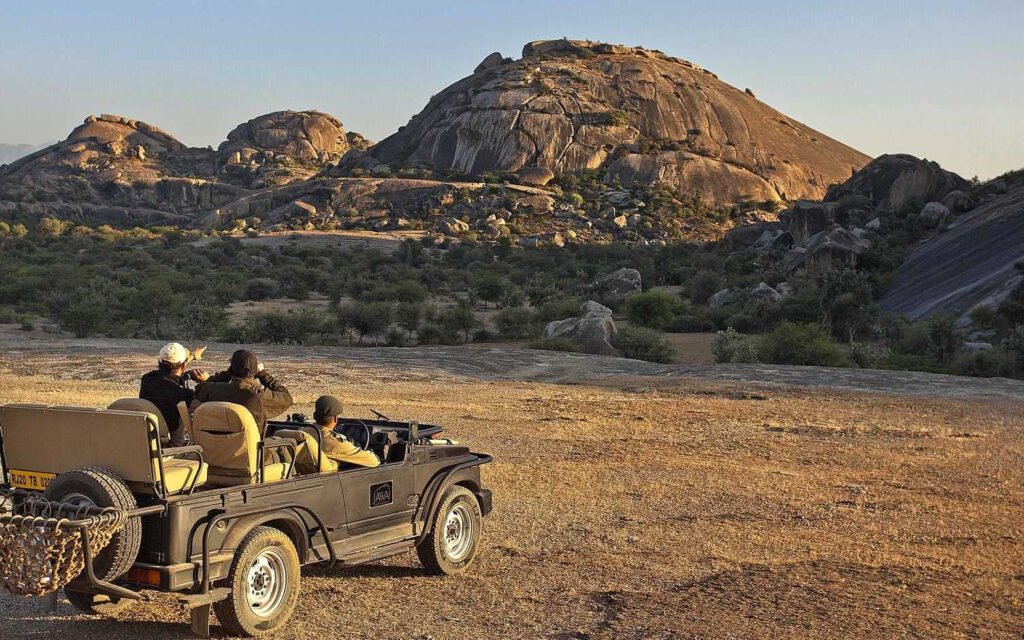
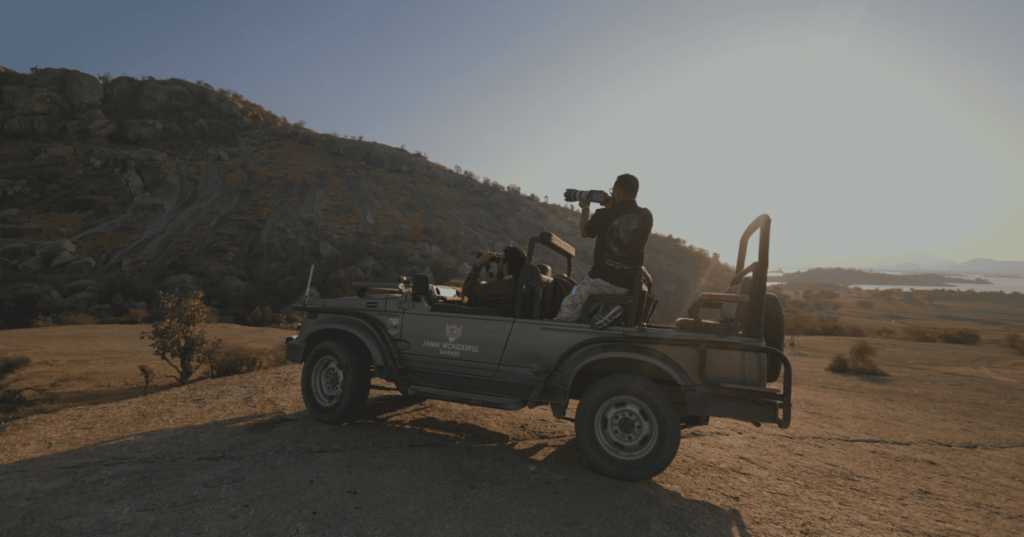
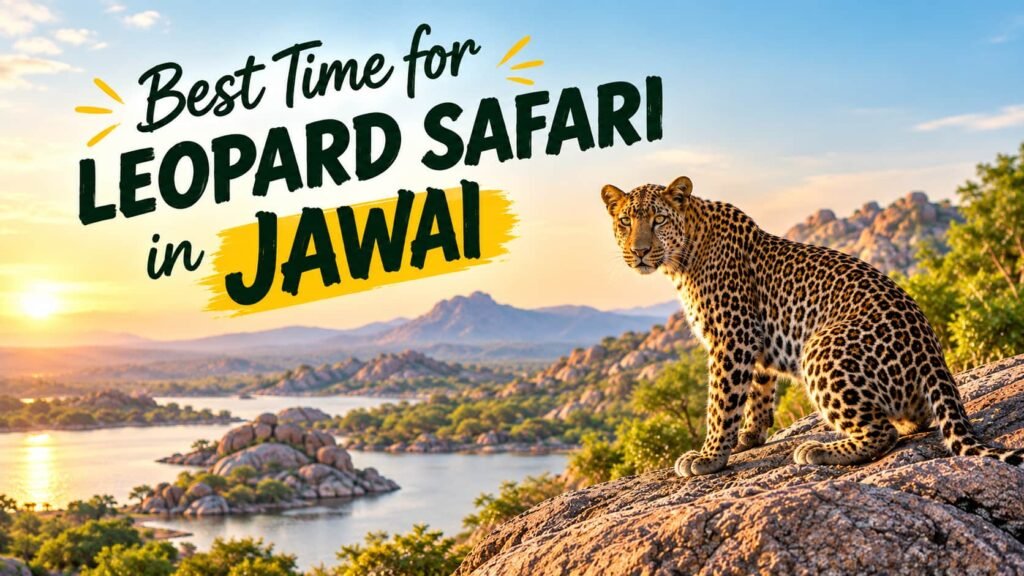
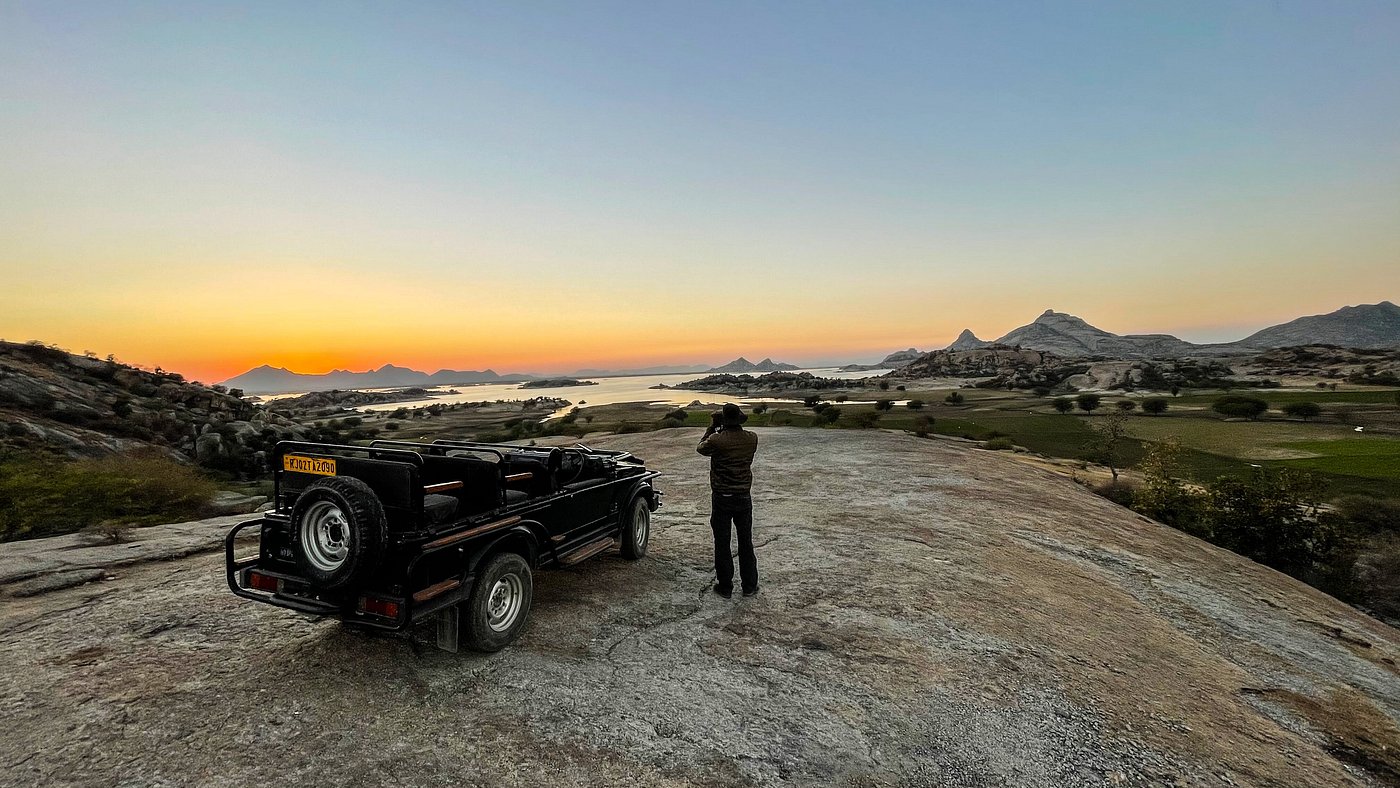
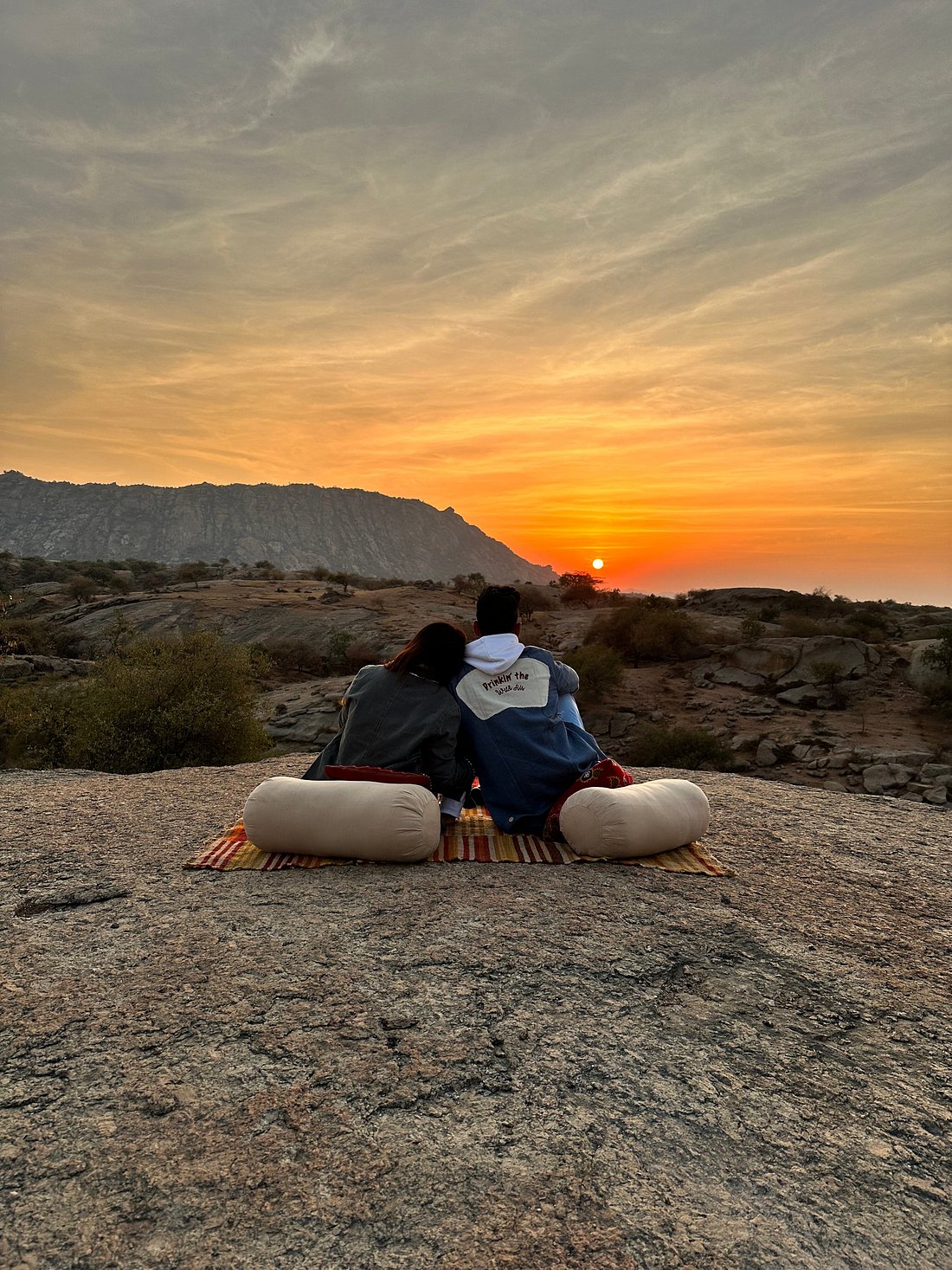
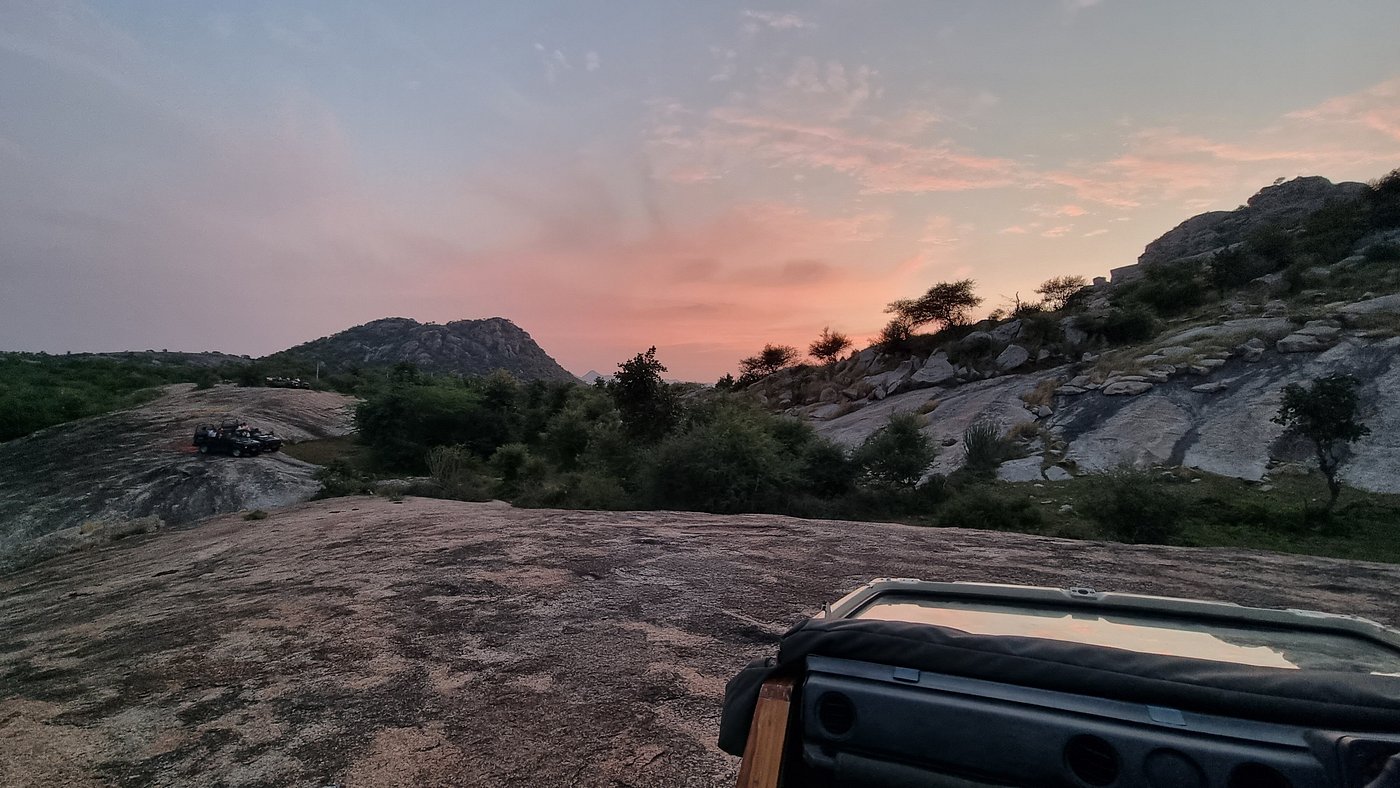
The Jawai sunset leopard safari is the golden-hour counterpart to Jawai’s famous sunrise drives, a three-hour, private safari timed to the exact hour when leopards begin to stir and the granite hills turn amber under the setting sun.
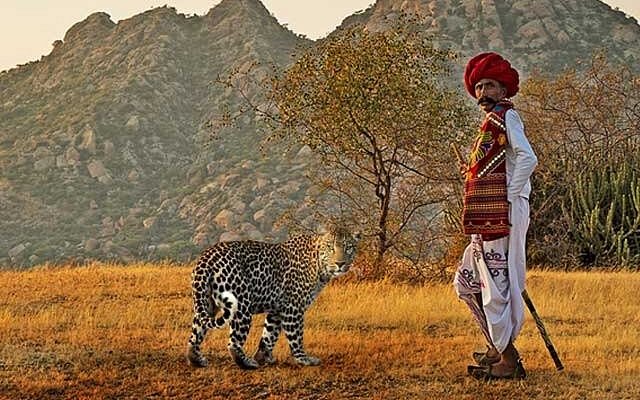
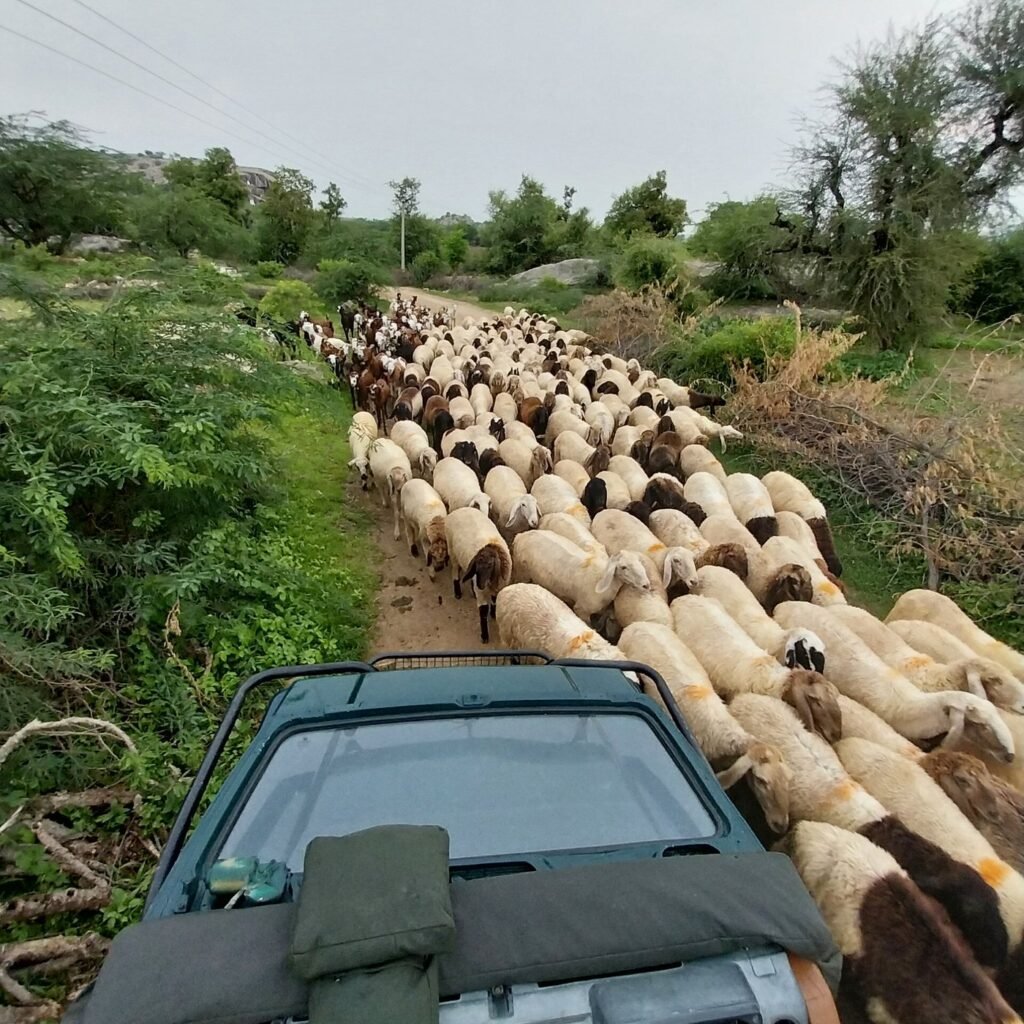
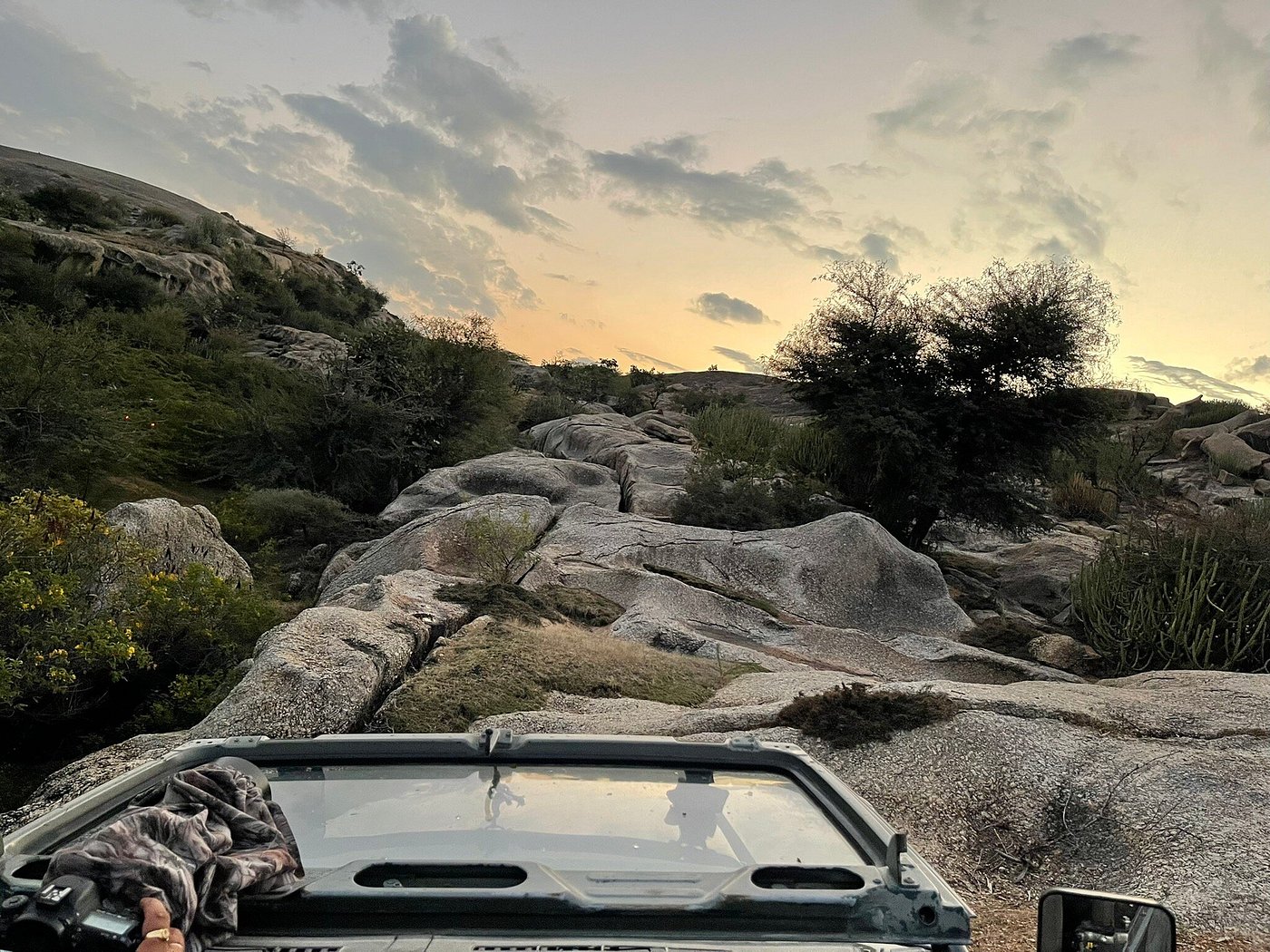
Unlike India’s fenced national parks, Jawai is unfenced community land where leopards share the landscape with shepherd villages, ancient temples, and towering granite outcrops. There’s no buffer zone and no barrier between wildlife and people — which is exactly why sightings here tend to happen in the open, on bare rock, rather than through dense forest cover.
Your naturalist-guide, drawn from the local community, has spent years tracking individual leopards across their home territories. That local knowledge — combined with the open terrain — is what makes the Jawai evening leopard safari one of the more consistent leopard-sighting experiences in India, not a matter of chance.
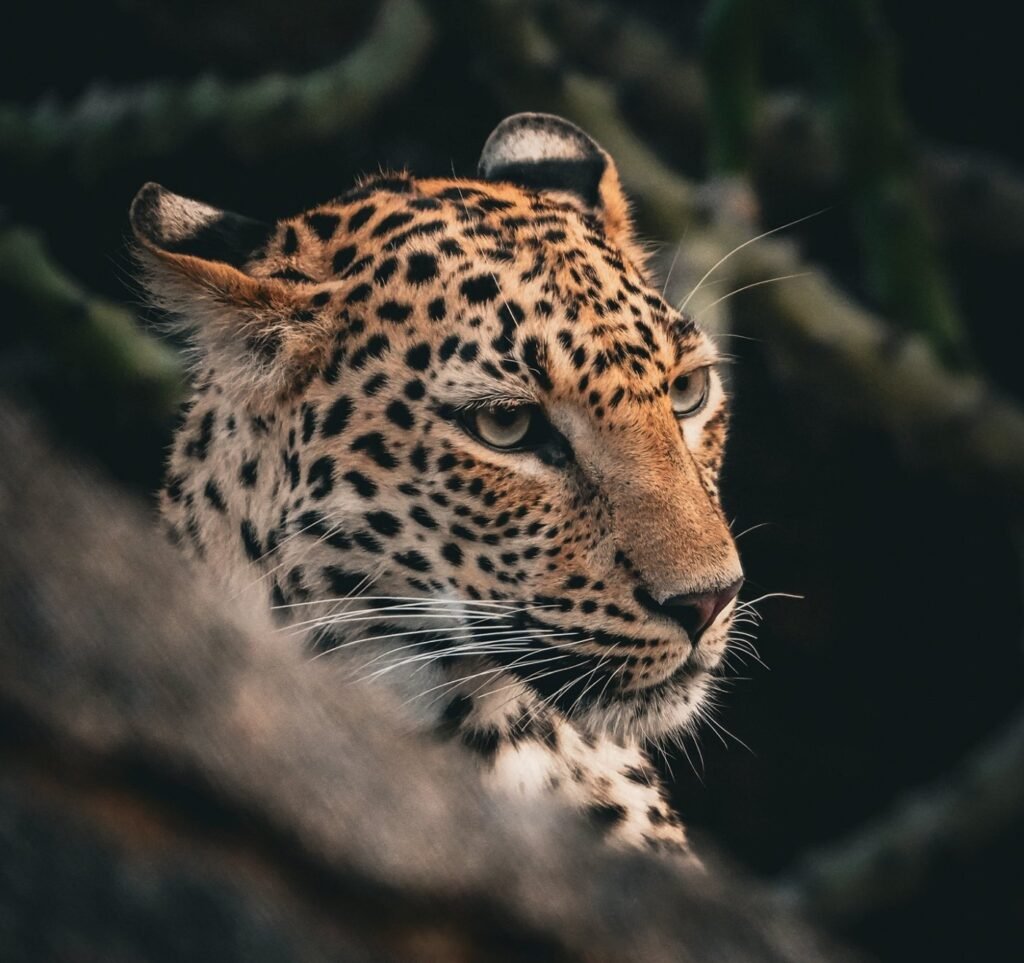
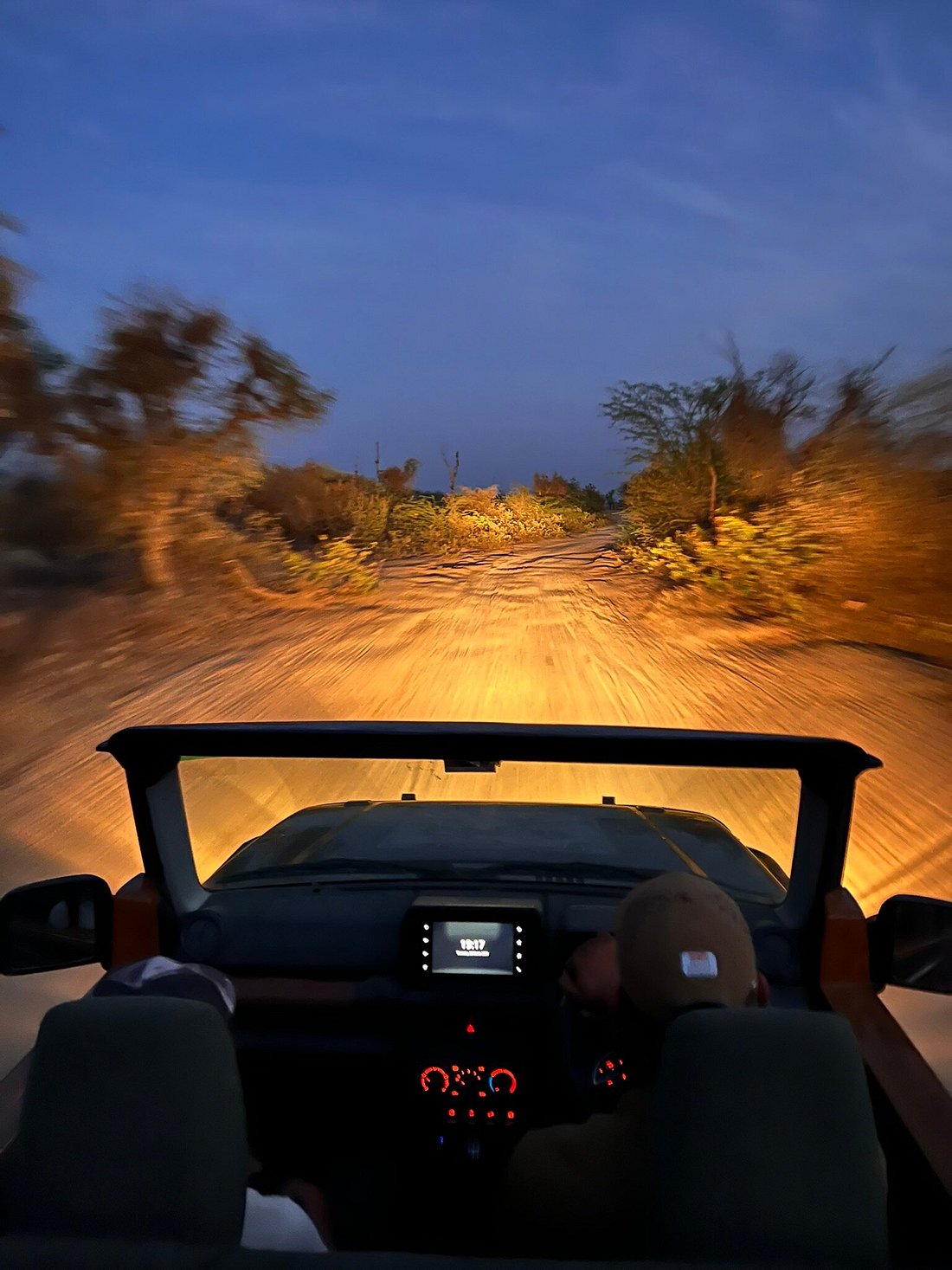
As dusk approaches and temperatures drop, resident leopards leave their daytime rock shelters and move back into the open to hunt. Your private jeep follows known territories at your own pace, timed so the last hour of daylight — when the light is softest and the leopards most visible — coincides with peak activity.