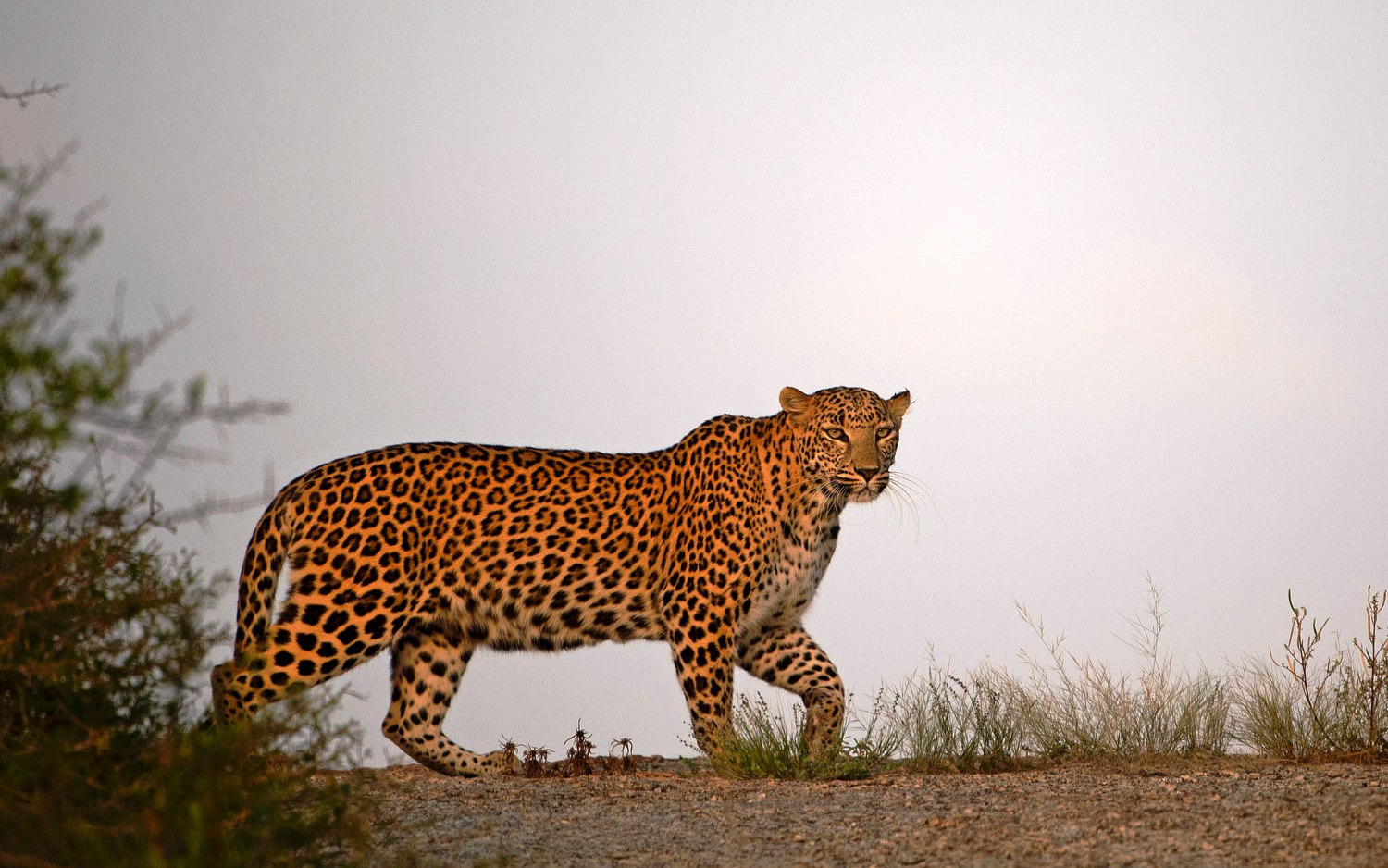
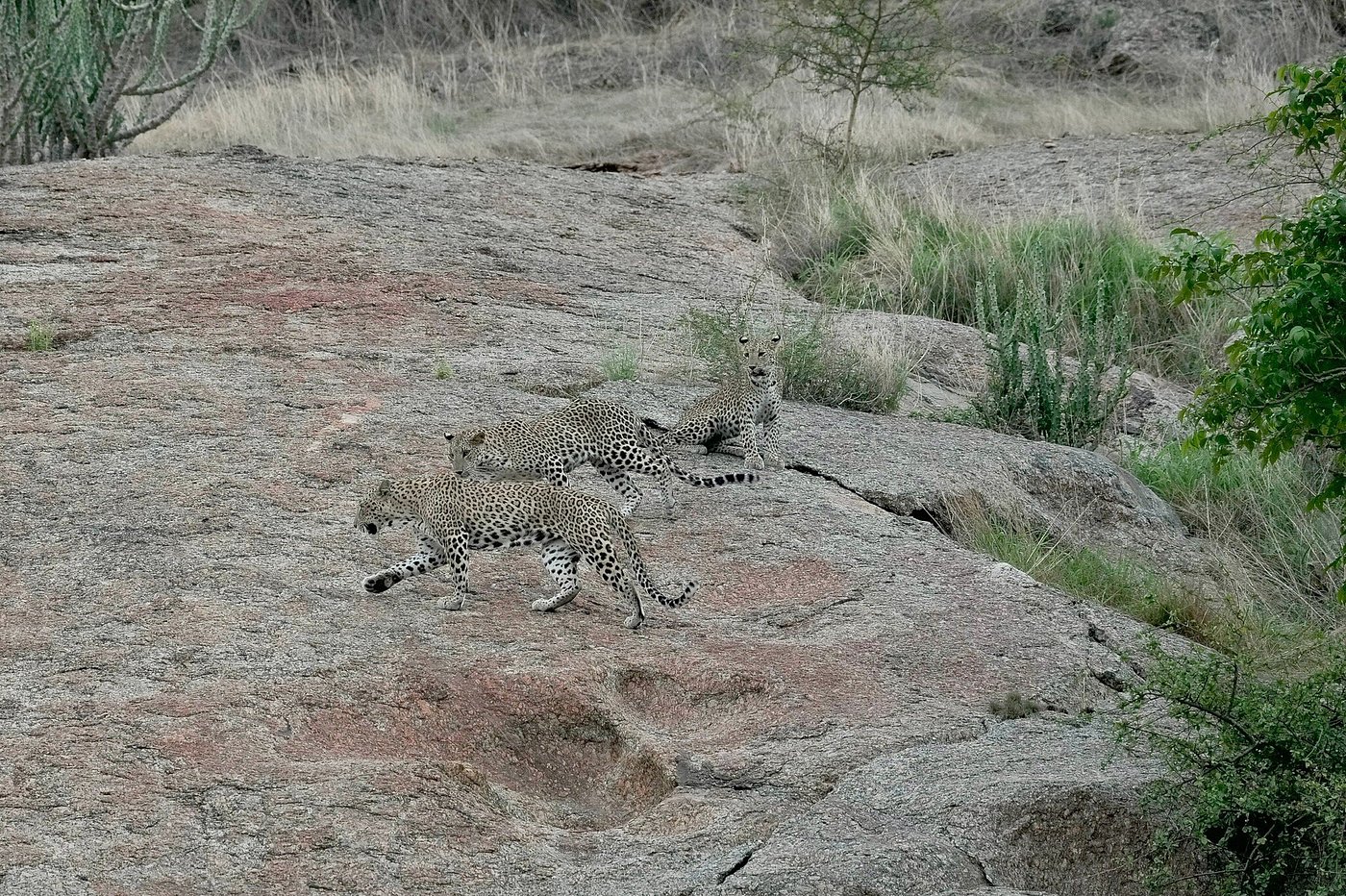
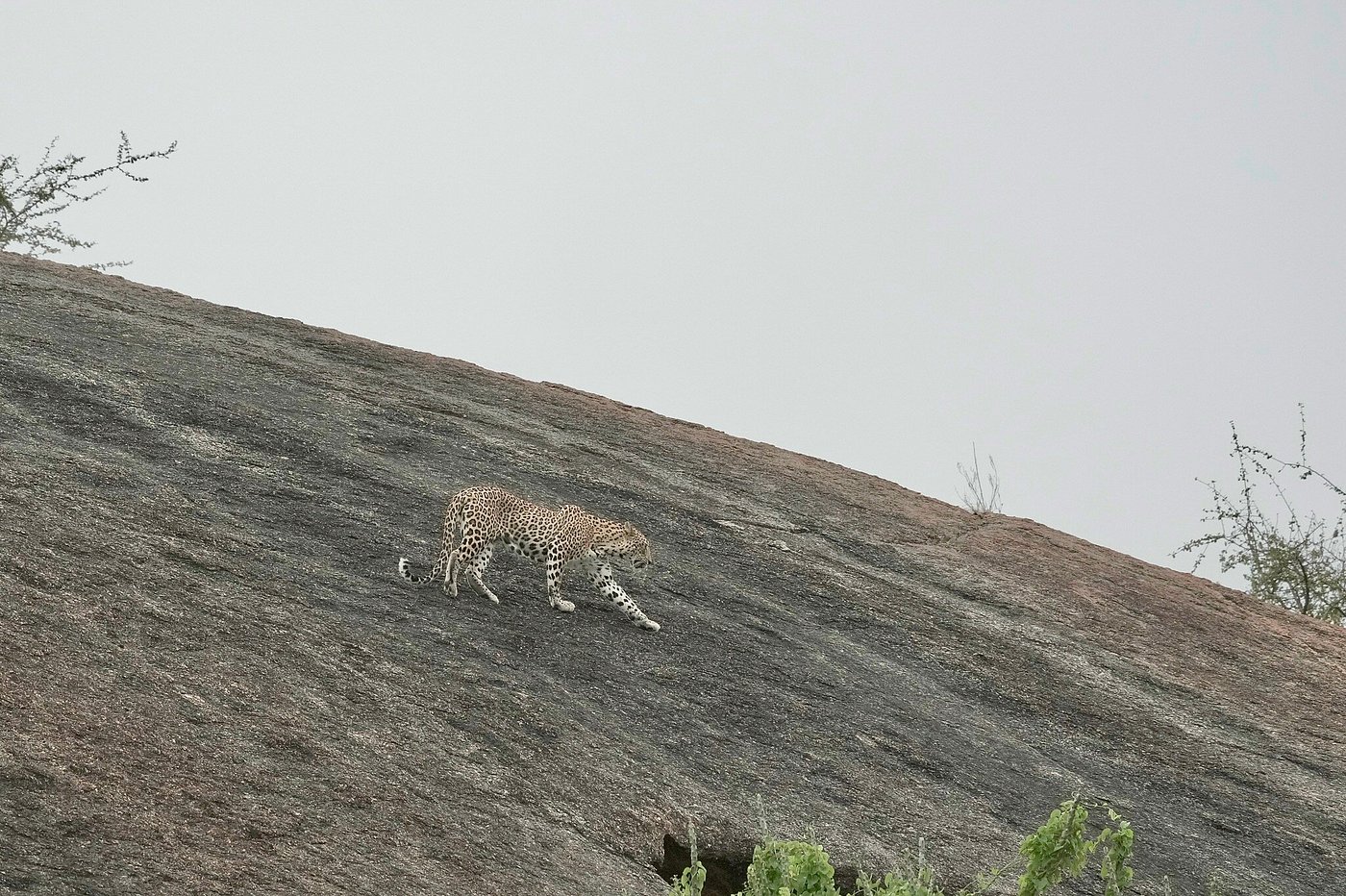
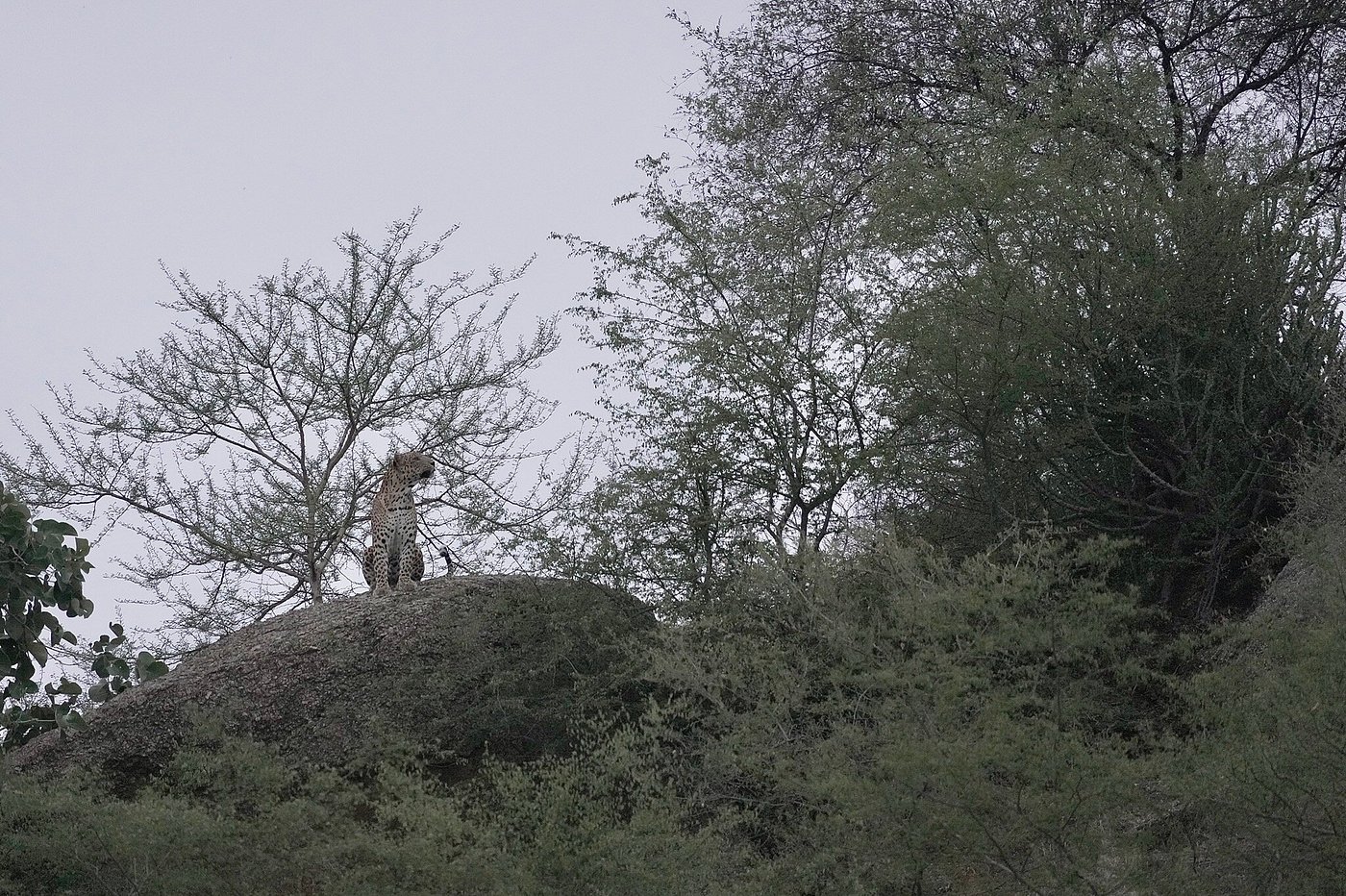
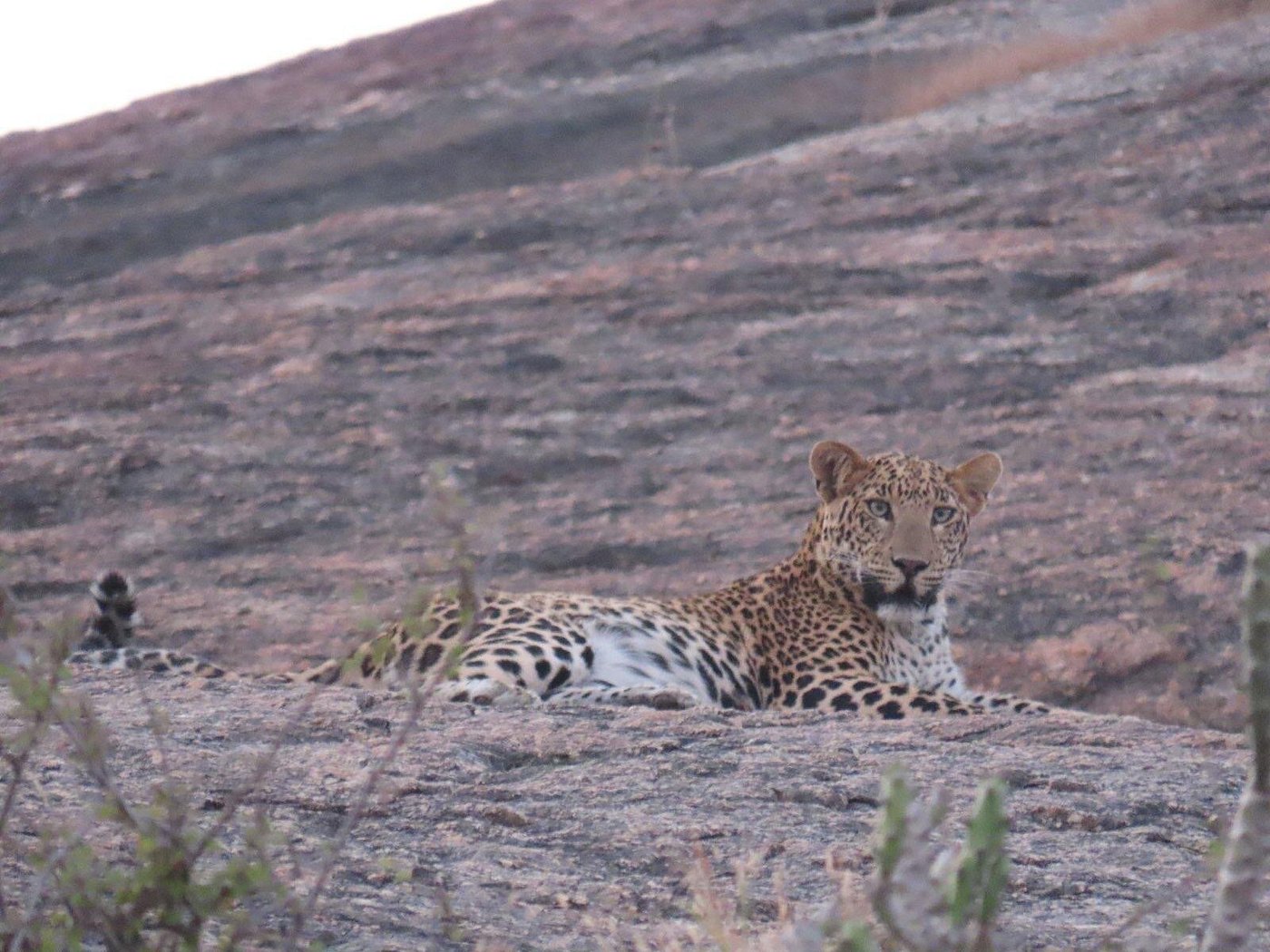
Sunrise & Sunset leopard Safari Combo
Jawai Rajasthan View on map
Amenities
About Sunrise & Sunset leopard Safari Combo
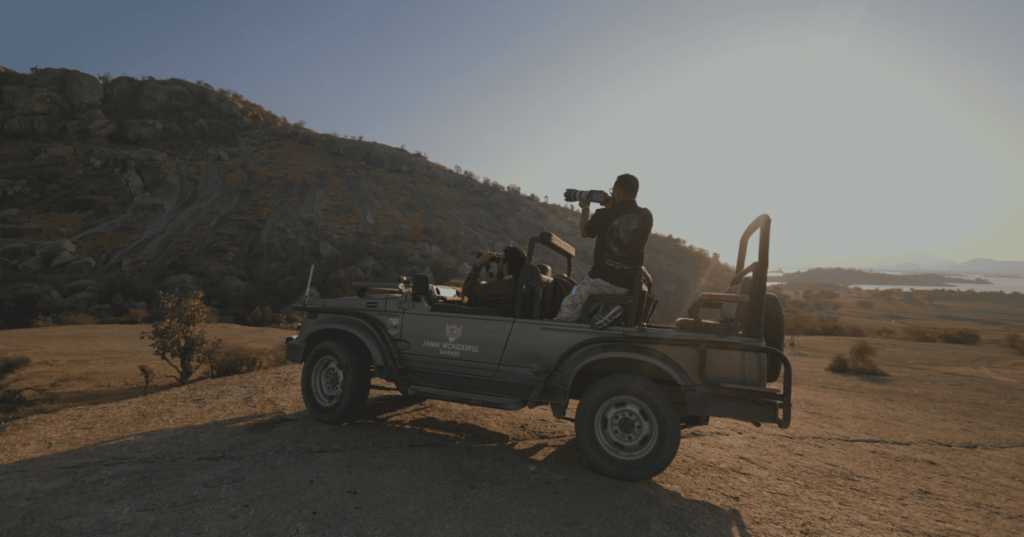
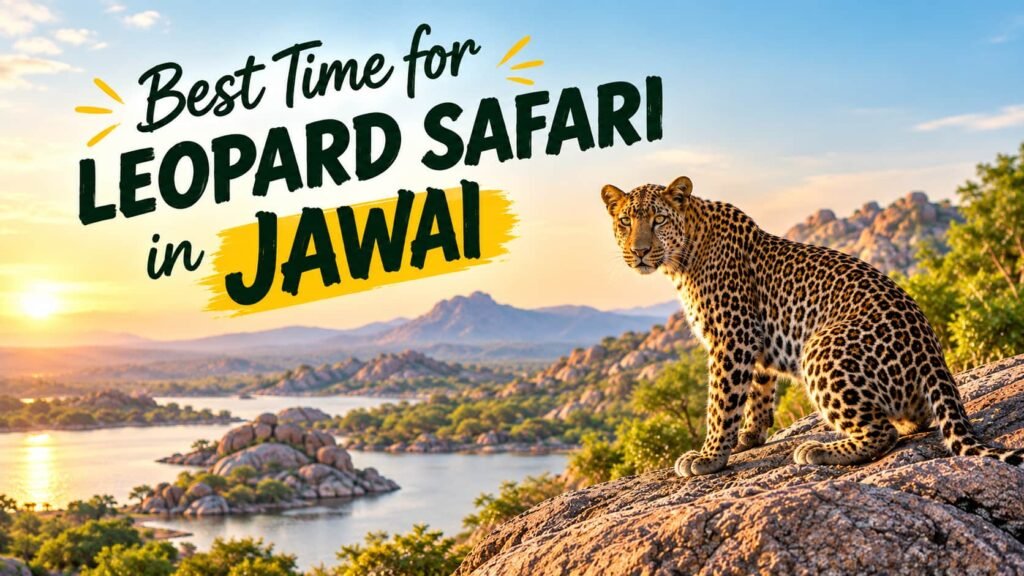
The Sunrise & Sunset Leopard Safari Combo is built around a simple fact most visitors don’t realise until they’ve already booked a single safari: morning and evening at Jawai are not the same experience twice. They are two different windows into how leopards actually live.
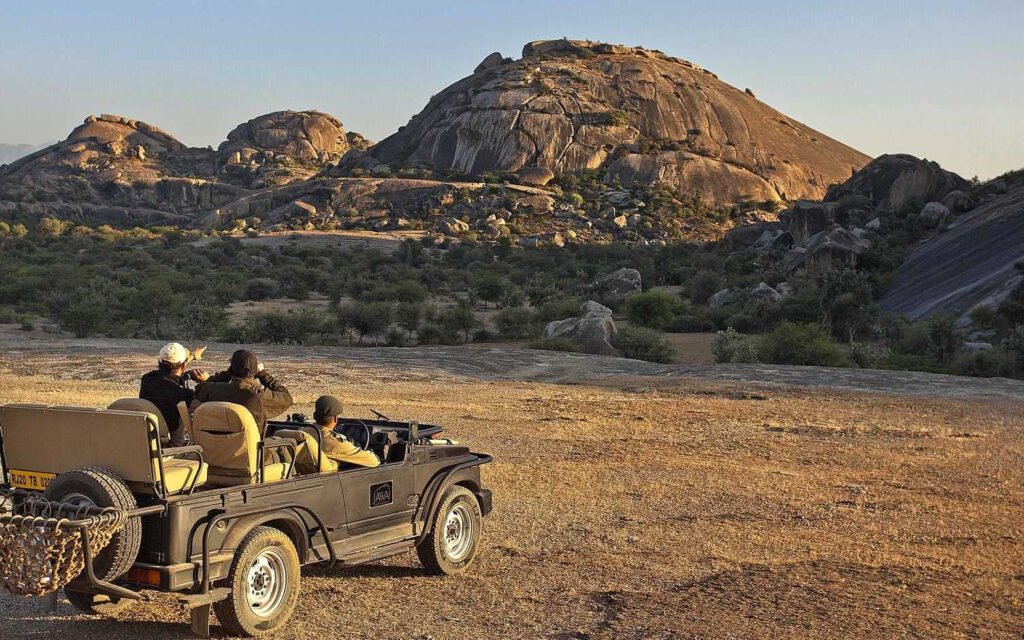
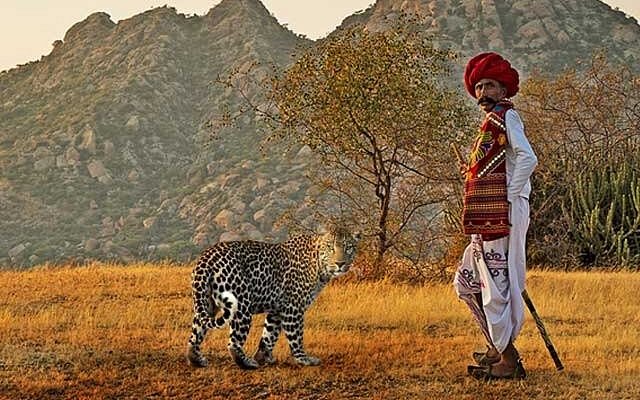
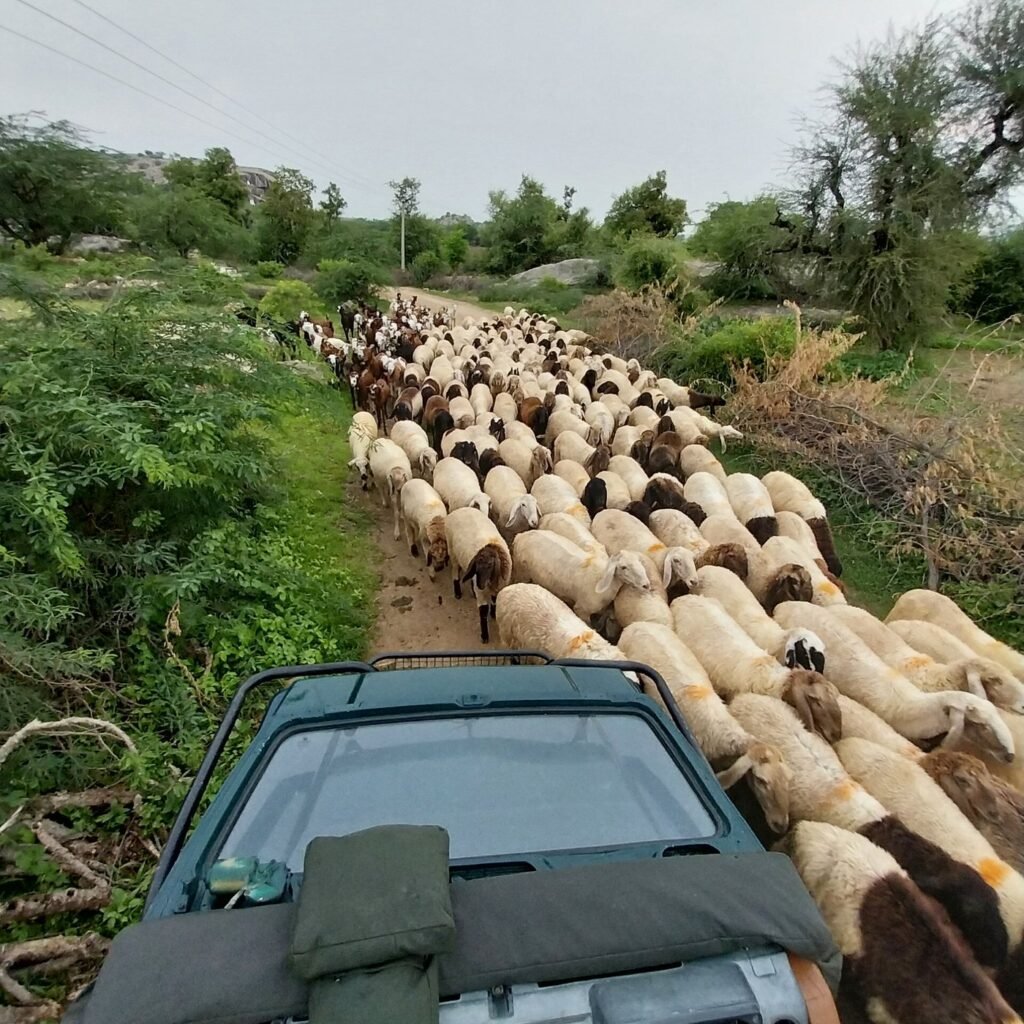
Jawai itself is part of why this matters. The region is often called the leopard capital of India, home to one of the highest densities of wild leopards anywhere in the world — and unlike a fenced national park, these leopards share open granite hills with the local Rabari pastoralist community, with no boundary walls or forest department gates between them. That open-land setup is what makes two full private drives in a single day possible here in the first place.
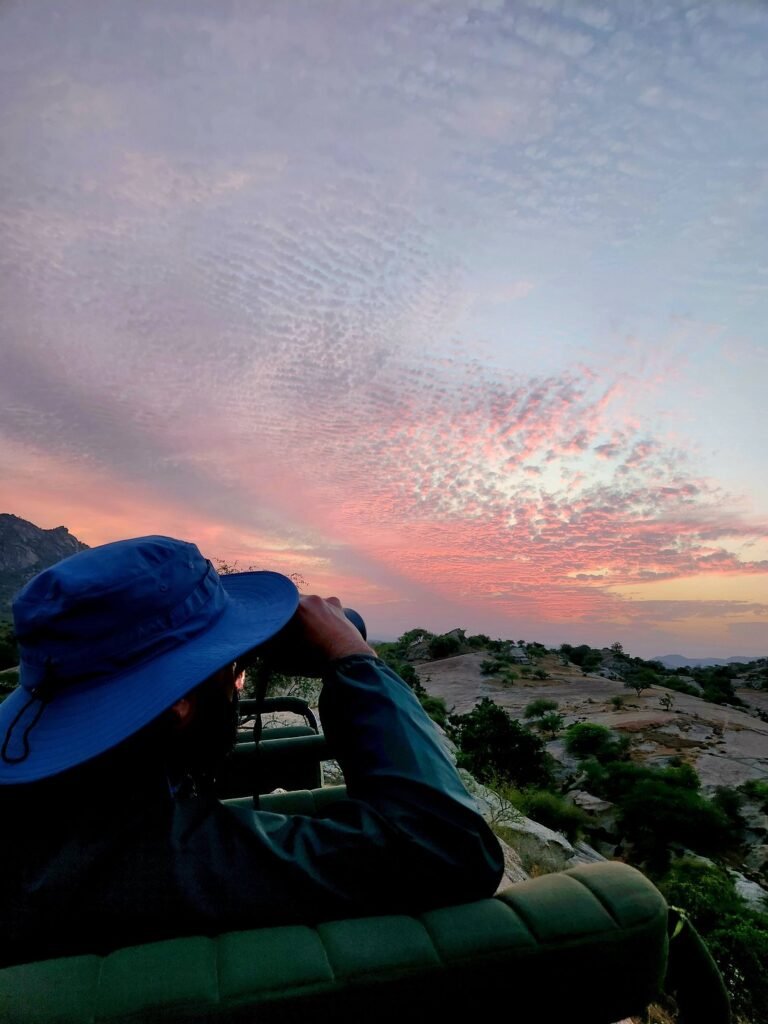
A single safari gives you one slice of the day. The combo gives you both — the quiet, cool hours just after dawn when leopards are still moving from the night’s hunt, and the warm, golden hours at dusk when they wake from rest and step back out onto the rocks. Same animals, same territory, two completely different rhythms.
This is also, practically speaking, the most efficient way to safari at Jawai. You get two full 3-hour drives in a fully private jeep for a price close to what a single safari costs elsewhere, and your odds of a sighting improve substantially simply because you are giving the leopards two separate chances to be found, not one.
Both drives are entirely private. The same local guide typically runs both sessions, which means the evening drive isn’t starting from zero — it’s starting from everything the morning revealed.