
Jawai Jungle Safari
Jawai Forest Reserve View on map
Amenities
About Jawai Jungle Safari
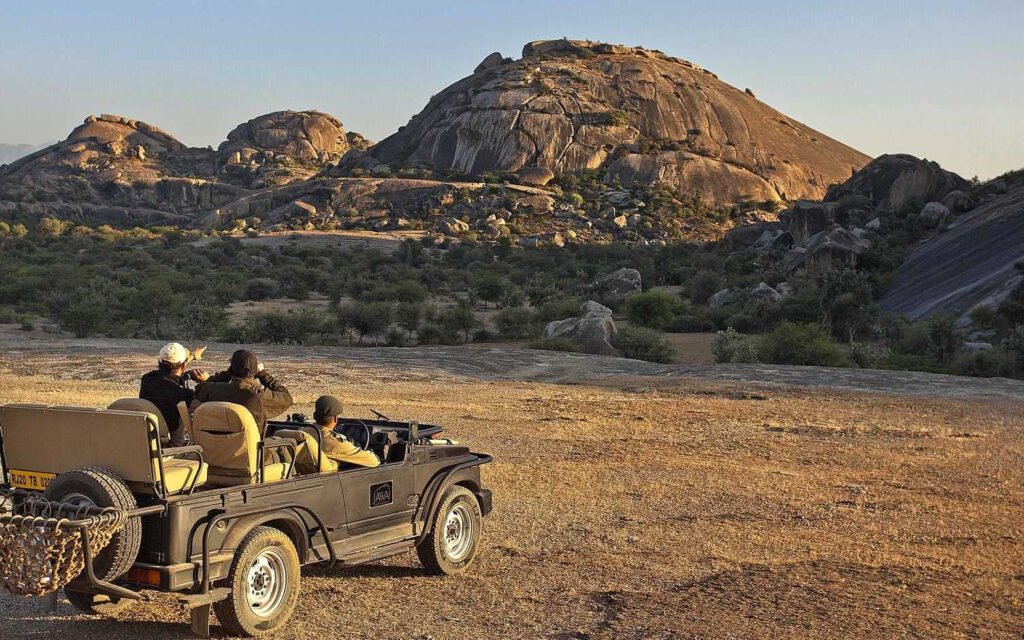
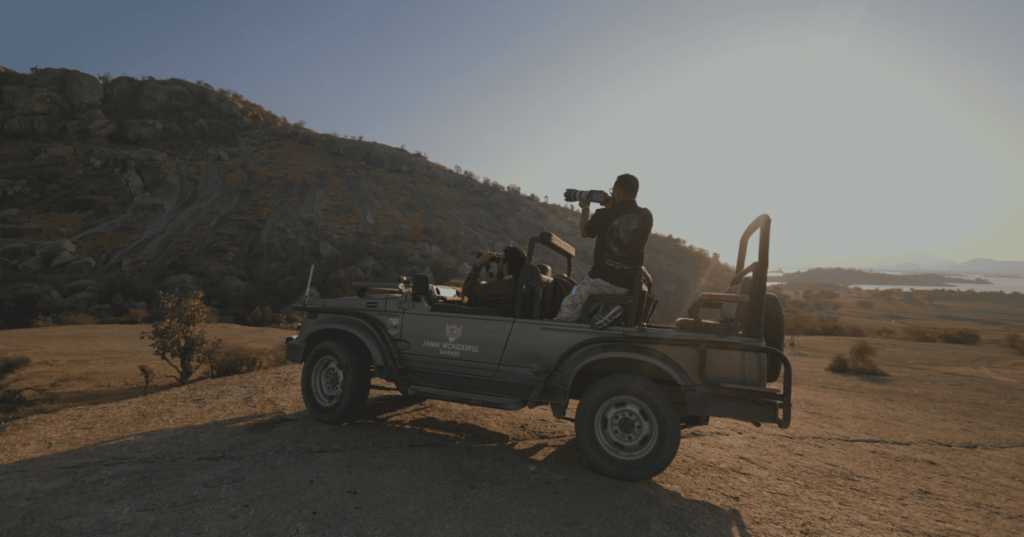
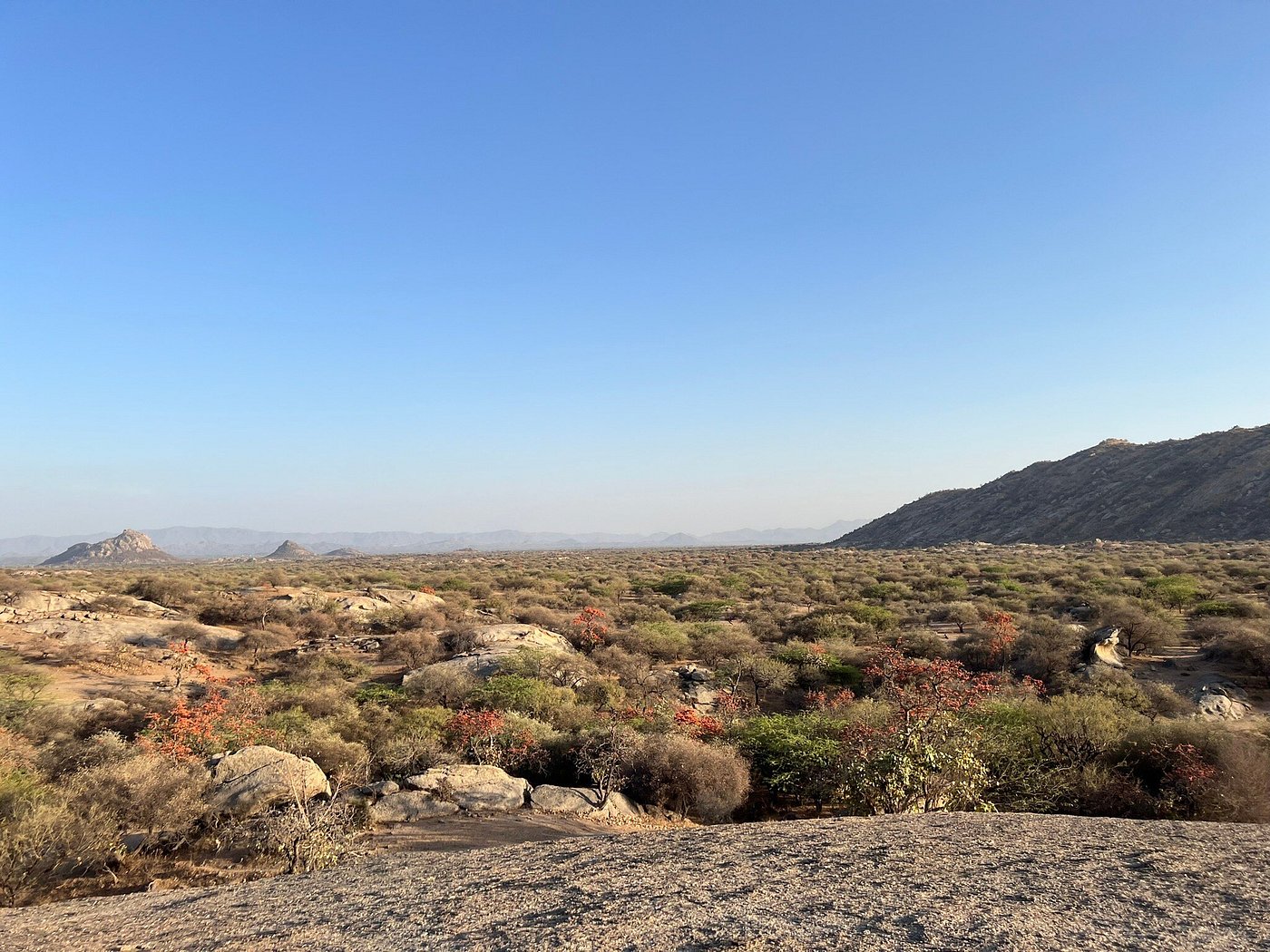
The Jawai village safari takes you into the daily life of the villagers who call this region home. You travel by open gypsy jeep with a local guide and translator, stopping at Rabari settlements and dhani hamlets, small clusters of mud homes scattered across the Jawai landscape, where you can meet families, watch artisans at work, and walk through cattle farms that have shaped this land for generations.
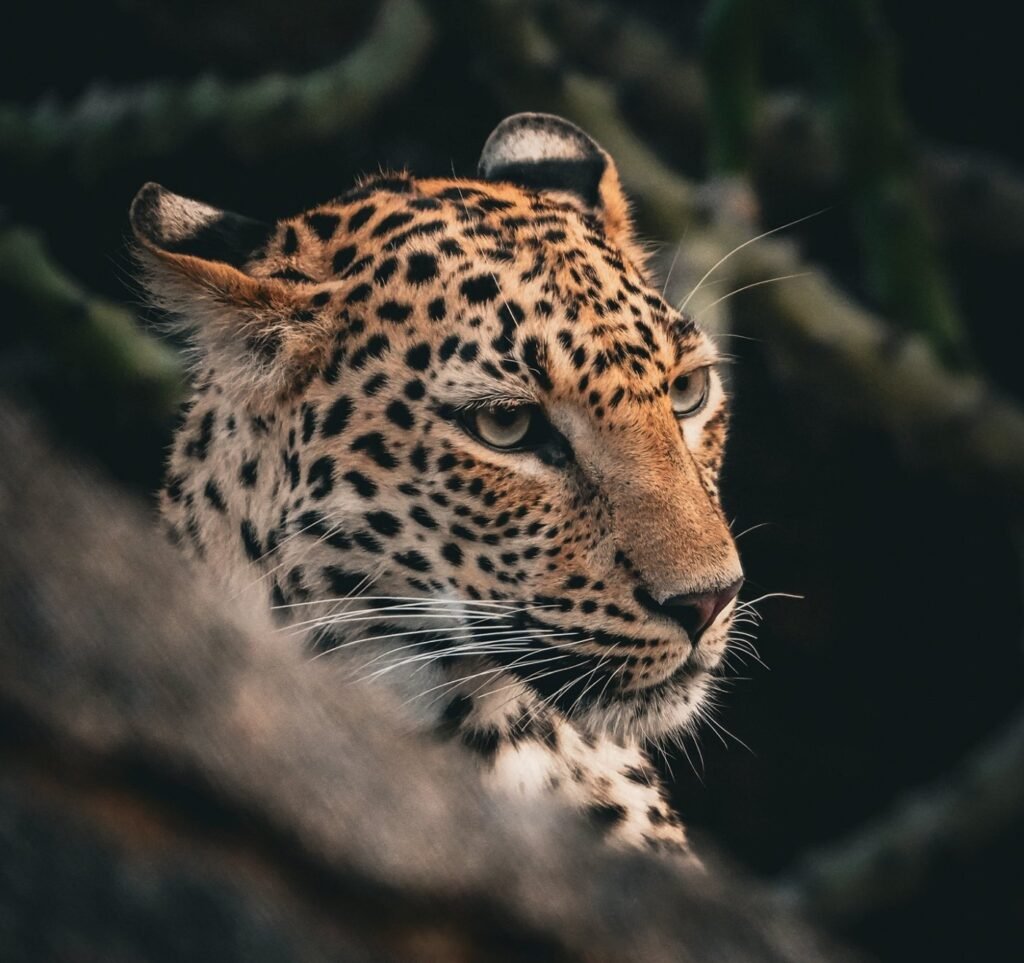
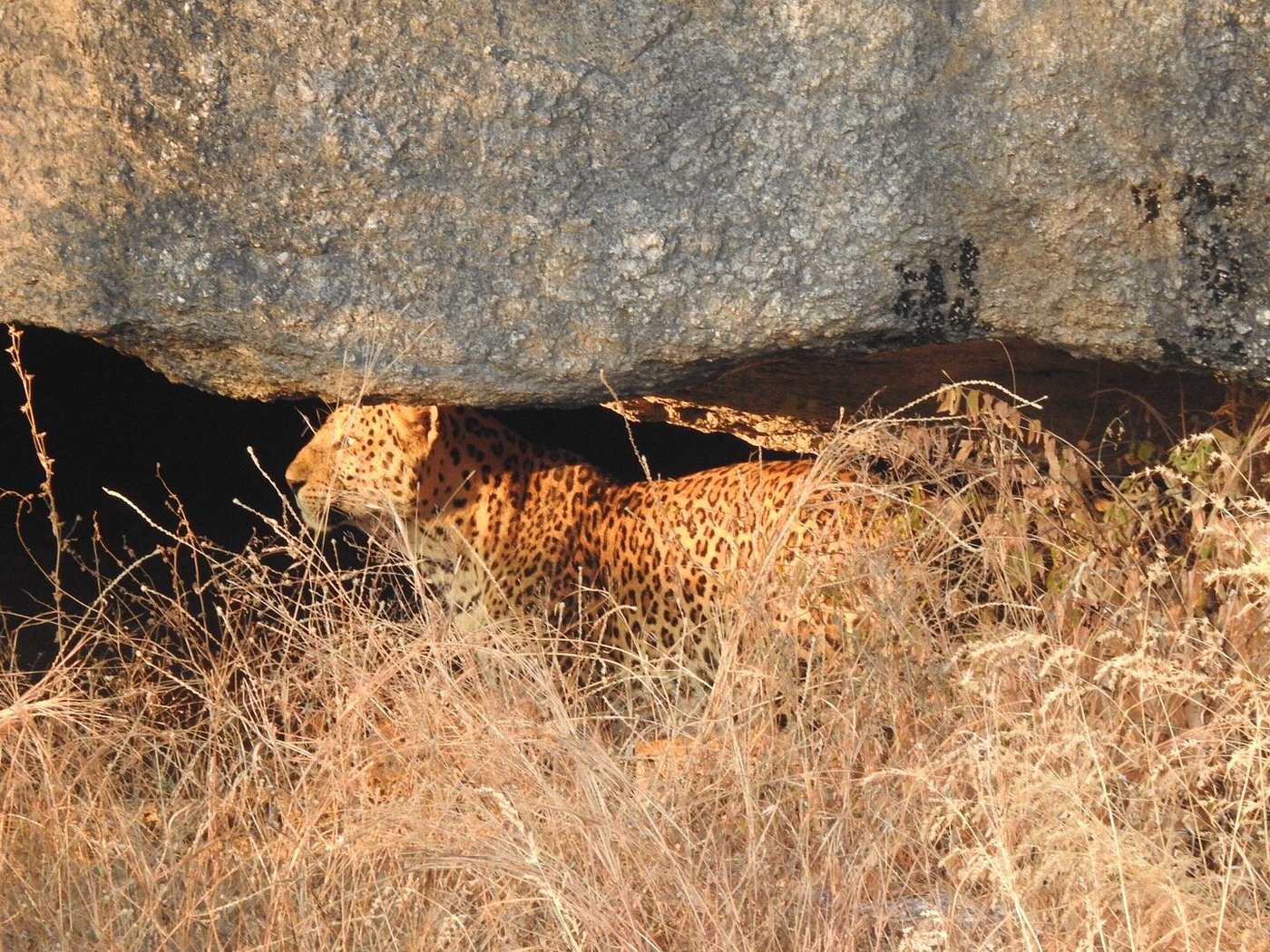
What sets a Jawai village tour apart from other cultural experiences is the coexistence between people and leopards. The Rabari community has lived alongside Jawai’s leopards for centuries, largely without conflict, a relationship rooted in local belief systems and daily practice that’s rarely found anywhere else.
This isn’t a staged performance. Local guides lead every village walk, and they know the families, the trails, and the stories worth telling. That makes the safari a strong fit for travelers who want context and connection alongside their wildlife trip, not just another safari checklist item and a natural complement to Jawai’s rural tourism scene, where community-based experiences are becoming as sought-after as the leopard sightings themselves.
Rabari Shepherd Culture: Life in the Dhani Villages
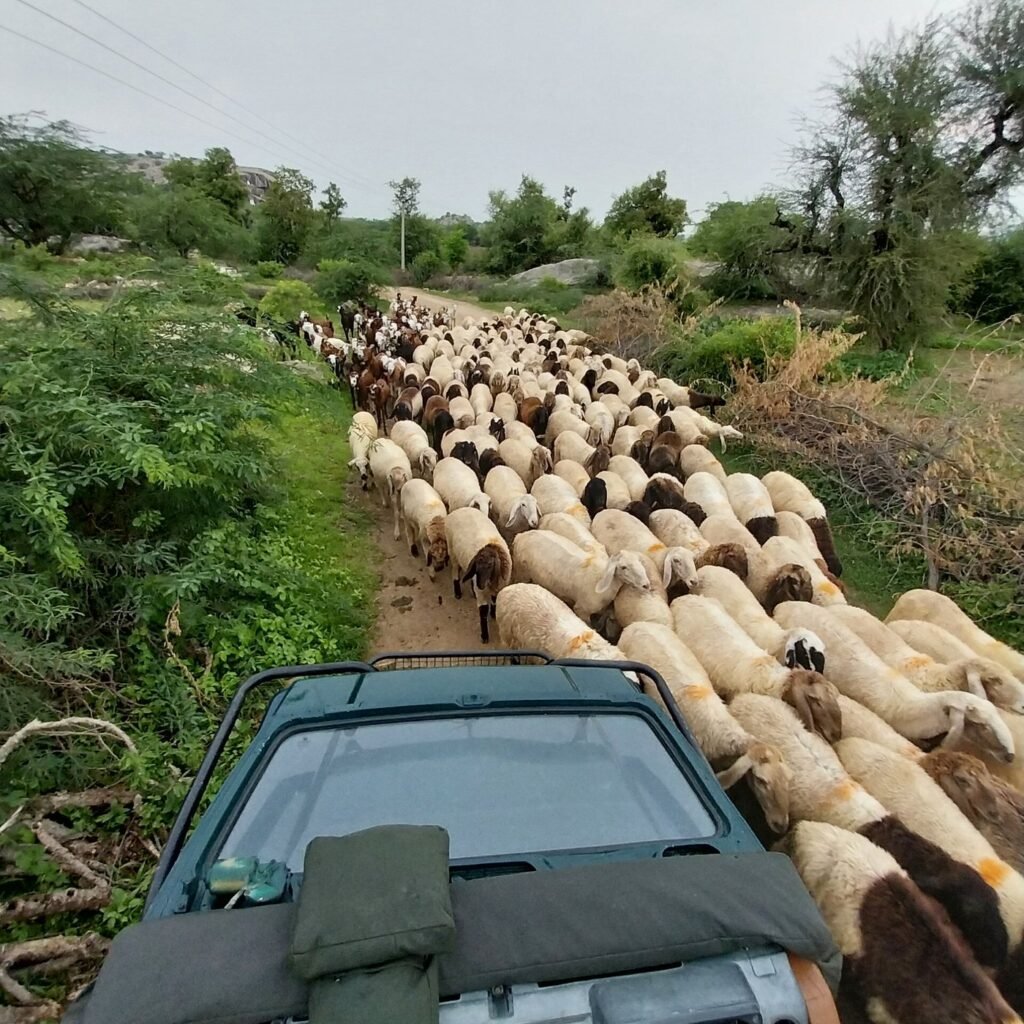
The Rabari are a traditionally pastoral community, and shepherding still shapes daily life in Jawai’s dhani settlements. Mornings and evenings revolve around herding goats, sheep, and cattle across the same rocky terrain the leopards move through at night, a rhythm that has stayed largely unchanged for generations.
On the village walk, you’ll see this routine up close: livestock being led out to graze, wool and dairy work happening at home, and mud houses built to suit the arid, hilly landscape. Guides who grew up in or near these dhanis can explain how families read the land, track their animals, and structure a day around herding, details that don’t come through in a brochure.